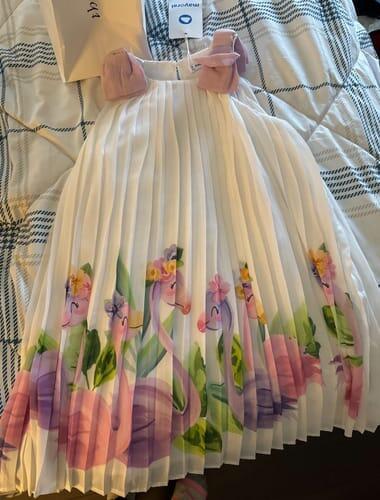
Mixing and matching kids’ clothes is less about creating a perfectly coordinated closet and more about making everyday dressing easier. The best mix-and-match wardrobe gives children enough variety for school, weekends, family outings and changing weather without filling the closet with pieces that only work in one outfit.
Start with the categories your child wears most, choose a simple color base, then add prints, layers and personality. When you are ready to shop, browse Girls Clothes and Boys Clothes for current styles.
Start With the Pieces Kids Wear Most
Before adding statement pieces, identify the tops, bottoms, sweaters and layers that appear repeatedly in your child’s weekly routine. A small number of versatile pieces can create more usable outfits than a larger closet filled with one-off combinations.
Build a Simple Color Base
Choose two or three base colors that already appear often in the wardrobe. Navy, denim, grey, cream, black and muted earth tones are common options, but the best palette is the one your child actually likes wearing.
Add Accent Colors
Once the base is established, add a few brighter colors that coordinate with several existing pieces. Accent colors create variety without forcing every new purchase to start a completely separate outfit system.
Use One Strong Print at a Time
A bold printed top is easy to pair with a solid bottom. A patterned skirt or pant is easier to style with a simpler top. This approach helps busy prints feel intentional rather than competitive.
Can Kids Mix Two Prints?
Yes. Two prints can work together when they share at least one color or when one pattern is visually smaller than the other. For example, a narrow stripe can pair with a larger floral or graphic print more easily than two equally bold patterns.
Think in Outfit Formulas
An outfit formula is a repeatable combination such as T-shirt + leggings + cardigan or sweatshirt + joggers + jacket. Formulas reduce morning decision-making and help parents see which wardrobe categories need more depth.
Formula 1: Top + Bottom + Layer
This is the most flexible everyday formula. The top adds color or print, the bottom provides a stable base, and the layer adapts the outfit to temperature changes.
Formula 2: Dress + Layer
A simple dress can work alone in warm weather or with a cardigan, sweater, tights or jacket when temperatures drop. The more layers already coordinate with the dress, the more useful it becomes.
Formula 3: Set Pieces Worn Separately
Matching sets can be valuable when both pieces also work independently. A coordinated sweatshirt and jogger set becomes more versatile when the sweatshirt also pairs with jeans and the joggers work with several other tops.
Formula 4: Graphic Top + Neutral Bottom
This makes a strong print easy to wear. The neutral bottom creates visual balance and lets the child’s preferred graphic or color stay central.
Formula 5: Neutral Top + Statement Bottom
Printed leggings, colorful pants or a patterned skirt can become the focus when paired with a simple top already in the wardrobe.
Choose Bottoms That Work With Several Tops
Before buying pants, leggings, shorts or skirts, think of at least three tops already in the closet that can work with them. This simple test reduces purchases that only create one usable outfit.
Choose Tops That Layer Easily
T-shirts, long-sleeve tops and lightweight knits become more useful when they can fit comfortably under sweaters, hoodies and jackets without bunching excessively.
Build Around Layers
Sweaters, sweatshirts, hoodies and jackets can turn the same base outfit into several looks while adapting to changing weather. Browse Girls Sweaters, Sweatshirts & Hoodies or Boys Sweaters, Sweatshirts & Hoodies when layering is the main wardrobe gap.
How Many Layers Does a Mix-and-Match Wardrobe Need?
There is no fixed number. Consider school rules, local weather, laundry frequency and how often the child wears layers. A few versatile options are usually more useful than many similar pieces.
Use Texture to Add Interest
Even when colors are simple, texture can make outfits feel different. Denim, rib knit, fleece, cable knit, corduroy and smooth jersey can create variety without introducing more patterns.
Mix-and-Match Outfit Combinations
Mixing Denim With Knits
Denim bottoms work with many knit tops and sweaters. If the child wears jeans often, they can become one of the core anchors of the wardrobe.
Mixing Leggings With Longer Tops
Leggings can pair with sweatshirts, tunic-length tops, sweaters and casual dresses. Choose the combination based on comfort and activity rather than a rigid fashion rule.
Mixing Joggers With Smarter Tops
Clean, simple joggers can work with polos, sweaters or structured tops for an outfit that feels more polished without becoming restrictive.
Mixing Skirts With Casual Tops
A skirt can feel more everyday when paired with a T-shirt, sweatshirt or simple knit. This extends use beyond special occasions.
Mixing Dresses With Sneakers
Casual footwear can make dresses more practical for school or weekend wear. The goal is to make the child comfortable enough to actually use the garment.
Mixing Sweaters With Dresses
A sweater layered over a dress can make the dress function like a skirt, creating a second visual use from the same garment.
Mixing Vests With Everyday Outfits
Vests can add warmth without covering the whole outfit. They work especially well over long-sleeve tops, sweaters and casual dresses.
Mix-and-Match by Age and Collection
Mix-and-Match Ideas for Girls
- Solid leggings + printed top + cardigan.
- Simple dress + sweater + sneakers.
- Skirt + basic top + hoodie.
- Jeans + graphic tee + jacket.
- Joggers + knit top + vest.
Mix-and-Match Ideas for Boys
- Joggers + graphic tee + hoodie.
- Jeans + striped top + sweater.
- Chinos + casual tee + jacket.
- Shorts + polo + lightweight layer.
- Sweatpants + long-sleeve tee + vest.
Mixing Baby Clothes
For babies, easy diaper access, stretch and comfort usually matter more than styling complexity. Use a small palette of one-pieces, pants, sweaters and simple outfits that can be changed quickly when needed.
Baby Girl Mix-and-Match
Use Baby Girl Clothes as the broad shopping destination, then build around one-pieces, leggings, sweaters and simple sets that can work across multiple outfits.
Baby Boy Mix-and-Match
Use Baby Boy Clothes for current baby boy styles, then prioritize pieces that combine easily with several tops and bottoms.
Mixing Toddler Clothes
Toddlers benefit from easy-on clothing and durable basics. Look for elastic waists, comfortable tops and layers that can handle active play and frequent washing.
Mixing School-Age Kids Clothes
School wardrobes need enough variety to feel interesting while staying practical. Repeating the same neutral bottoms with different tops and layers can simplify weekday dressing.
Mixing Tween Clothes
Older children often have stronger style preferences. Let them choose favorite colors, prints and silhouettes while keeping the overall wardrobe compatible enough to avoid frequent “nothing matches” moments.
Let the Child’s Routine Decide the Wardrobe
School, daycare, sports, parties and weekends do not require the same clothing. Spend more of the wardrobe budget on categories worn most often.
Mix-and-Match for School
Choose washable basics and layers that work within the school’s dress expectations. Comfort and easy movement should remain central.
Mix-and-Match for Daycare
Daycare wardrobes benefit from practical closures and clothing that can handle frequent changes. Avoid making every outfit depend on a delicate or special piece.
Mix-and-Match for Weekends
Weekend outfits can be more expressive. Use prints, graphics and color while keeping one or two stable neutral pieces in the combination.
Mix-and-Match for Family Photos
Instead of making every family member wear identical colors, choose a shared palette and vary the shades, textures and prints. This usually looks more natural and gives each child some individuality.
Mix-and-Match for Special Occasions
A polished outfit can still use pieces from the everyday wardrobe. A cardigan, simple dress, chinos or button-style top may work for both ordinary wear and family events.
Seasonal Mix-and-Match Strategy
Spring Mix-and-Match Strategy
Spring wardrobes benefit from light layers. Build outfits that can lose a cardigan or jacket as the day warms.
Summer Mix-and-Match Strategy
Use lightweight tops and bottoms that coordinate easily. A smaller number of compatible shorts and shirts can create many combinations.
Fall Mix-and-Match Strategy
Fall is ideal for layering. T-shirts, long sleeves, sweaters and jackets can rotate around the same bottoms.
Winter Mix-and-Match Strategy
Keep indoor outfits flexible and add technical outerwear for actual weather. Do not rely on thick indoor clothing alone for winter protection.
Choose a Capsule Palette
A capsule palette does not need to be neutral or boring. It simply means most pieces share enough colors that they can work together. Children can still have bright prints and favorite shades.
How Many Colors Should a Kids Wardrobe Use?
There is no ideal number. A smaller core palette makes coordination easier, while accent colors provide variety. Start with what is already in the closet before adding new colors.
How to Use a 60-30-10 Color Idea Without Being Rigid
You can think of one dominant color family, one supporting color and a smaller accent. This is a styling idea rather than a rule and should not override the child’s preferences.
Complementary vs Similar Colors
Complementary colors can create stronger contrast, while similar colors create a softer look. Both approaches can work when the child feels comfortable in the outfit.
How to Avoid Overbuying
Before purchasing something new, ask whether it works with at least three existing pieces and whether the child has a real occasion to wear it. This prevents the closet from filling with isolated items.
Shop the Wardrobe Gap, Not the Sale
A discounted garment is not useful if it does not coordinate with anything already owned. Identify the missing category first, then shop within that category.
When Matching Sets Make Sense
Matching sets are useful when both pieces can also work separately. If the set only functions as one complete look, it provides less mix-and-match value.
When Statement Pieces Make Sense
A statement piece can add excitement to a simple wardrobe. Limit the number so each one still has enough basics around it to create several outfits.
When Neutrals Become Too Repetitive
If the wardrobe feels too plain, add texture, print or one stronger color rather than replacing the whole system.
How to Organize Mix-and-Match Clothes
Group tops, bottoms and layers in visible categories. Children are more likely to build their own outfits when they can see compatible choices clearly.
Create Ready-Made Outfit Groups
For younger children, pre-pairing several tops and bottoms can speed up mornings while still allowing choice.
Take Photos of Successful Outfits
A quick phone photo can become a useful reference when mornings are rushed. It also helps parents identify which pieces are doing the most work in the wardrobe.
Rotate Seasonal Pieces
Store truly out-of-season items separately so the child is not choosing from clothing that cannot be worn now. A smaller visible wardrobe is easier to mix.
Review the Wardrobe Before Each Season
Remove outgrown items, identify missing categories and notice which pieces still coordinate well. Then shop only the gaps.
How to Mix High-Use and Special Pieces
Use everyday basics to support lower-frequency garments. A special skirt may become more useful when it works with a normal T-shirt or sweater.
How to Mix Different Brands
Brand labels do not need to match. Focus on color, proportion, fabric weight and function. Children’s wardrobes often become more flexible when pieces from different brands work together.
How to Mix Different Sizes
Do not intentionally use incorrect sizes just for styling. Fit should remain comfortable and functional, even when silhouettes differ.
How to Mix Hand-Me-Downs With New Clothes
Use new purchases to fill gaps around what is already usable. Hand-me-downs can become part of the core wardrobe rather than a separate category.
Mix-and-Match Shopping Checklist
- Identify the categories worn most often.
- Choose a simple core palette.
- Keep several reliable neutral or easy-match bottoms.
- Add prints and accent colors intentionally.
- Use layers to extend outfits across seasons.
- Ask whether a new piece works with at least three existing items.
- Prioritize fit and comfort over styling rules.
- Buy according to routine, not only trend.
- Review the wardrobe before each season.
Shop Mix-and-Match Kids Clothes
For children ages 3–18, browse Girls Clothes and Boys Clothes. For babies, use Baby Girl Clothes and Baby Boy Clothes as the broad starting points.
Frequently Asked Questions
How Many Colors Are Practical for a Kids Wardrobe?
There is no fixed number. A small group of compatible base colors plus a few accents usually makes mixing easier.
Can kids mix patterns?
Yes. Shared colors and different pattern scales can help two prints work together without feeling too busy.
What should I buy first?
Start with the wardrobe gap the child uses most often—usually everyday tops, bottoms or layers—rather than shopping by trend alone.
How do I stop buying one-outfit pieces?
Before checkout, name at least three existing pieces the new item can coordinate with. If you cannot, reconsider whether it belongs in the wardrobe.
Should children help choose their clothes?
When age-appropriate, yes. Children are more likely to wear clothing they helped select, and their preferences can guide a practical color palette.
Related guide: How to Build a Capsule Wardrobe for Your Child.
Related guides: 10 Tips for Styling Your Toddler
For children who are beginning to manage drawstring waists independently, our guide to teaching a kid to tie pants covers the skill step by step.
Related guide: For outfit planning across changing temperatures, see our kids clothes for every season guide.
If coordinated pieces are useful for building more combinations, browse Mayoral sets and outfits and wear the pieces together or separately.
Bottom Line
A successful mix-and-match kids wardrobe is built around real routines, compatible colors, versatile layers and pieces the child actually wears. Start with useful basics, add personality intentionally and make every new purchase work harder than one outfit.
Mix-and-Match Wardrobe Math
A useful capsule does not require every piece to match every other piece. Aim for a high percentage of compatibility. For example, four tops that each work with three bottoms create far more practical combinations than four statement outfits that cannot be recombined.
Prioritize connector pieces
Connector pieces are simple trousers, leggings, denim, sweaters or layers that bridge several colours and prints. They often create more outfit value than another statement garment.
How to Audit a Child’s Wardrobe Before Shopping
- Remove outgrown pieces.
- Separate current-season clothing.
- Count usable tops, bottoms and layers.
- Identify pieces that only work in one outfit.
- Identify the missing connector category.
- Shop that gap before adding another print or trend.
Mixing Brands Without Creating Fit Problems
Different brands can work together visually, but size labels are not standardized. A top and bottom both labelled the same age may have very different proportions. Check the fit of each garment independently instead of treating the age label as a matching system.
Mayoral as a Coordinated Wardrobe Starting Point
When you want coordinated colours and seasonal styling, browse Mayoral, then separate the pieces mentally: can the sweater work with existing jeans, can the skirt work with two current tops, and can the jacket move across several outfits? This turns a coordinated collection into a more flexible wardrobe rather than a set of fixed looks.
When to Stop Adding to a Capsule
Stop when the wardrobe covers the normal laundry cycle, weather and routine. More combinations do not automatically create more value if the child repeatedly chooses the same comfortable pieces. Use observed wear to decide what deserves duplication.
Mix-and-Match Checkout Test
Before buying a new item, name at least three existing pieces it can work with. If you cannot, decide whether it is intentionally a special piece or simply another one-outfit purchase. This single check can reduce wardrobe clutter and improve cost per wear.
Mix-and-Match Scenarios by Season
Fall transition
Use short- or long-sleeve tops with a small set of pants and removable sweaters. The layer should work across several base outfits rather than belonging to one fixed look.
Winter indoors and outdoors
Keep the everyday outfit comfortable indoors and treat technical outerwear as a separate weather layer. A snowsuit does not need to coordinate perfectly with every shirt underneath to be a useful purchase.
Spring weather changes
Use lightweight layers and bottoms that can handle cooler mornings and warmer afternoons. Rainwear should solve the wet-weather need rather than becoming another fashion-only layer.
Summer
Reduce the number of layers and let colour compatibility do more of the work. Tops, shorts, dresses and lightweight one-pieces should combine easily with the footwear and sun accessories actually used.
How to Add a Statement Piece Without Breaking the Capsule
A statement dress, graphic top or bold pair of pants can still belong in a flexible wardrobe. Pair it with existing neutral or coordinating connector pieces. The goal is not to eliminate personality; it is to avoid needing three new purchases just to make one new item wearable.
Wardrobe Review Every 6–8 Weeks
Children grow quickly and seasons change. Periodically remove outgrown clothing, move future-size pieces into view when appropriate and note which categories are being worn most. This keeps the next shopping trip focused on real gaps.
Mix-and-Match Value Questions
- Can this item create at least three useful outfits?
- Does it fit the current season and size?
- Will it work with the child’s school or daycare routine?
- Does it duplicate something already owned?
- Is it easy enough to care for that it will stay in rotation?
Final Capsule Rule
A successful kids wardrobe is not the one with the most combinations on paper. It is the one where the child can get dressed comfortably, the caregiver can manage laundry and most pieces are worn regularly. Use compatibility to reduce decision friction, then let a smaller number of special pieces add personality.
When Buying a Duplicate Makes Sense
Duplicate a basic only after it proves useful. If the same leggings, trousers or simple top repeatedly appears in successful outfits and runs out before laundry, a second current-size piece can improve the capsule. Avoid duplicating statement items or buying several future sizes before you know the child will continue to use that style.